Essential Yoga Poses for Daily Practice
Discover our comprehensive guide to fundamental yoga poses designed to improve flexibility, strength, and mindfulness. Explore detailed instructions for beginners through advanced practitioners.
Filter by Pose Category
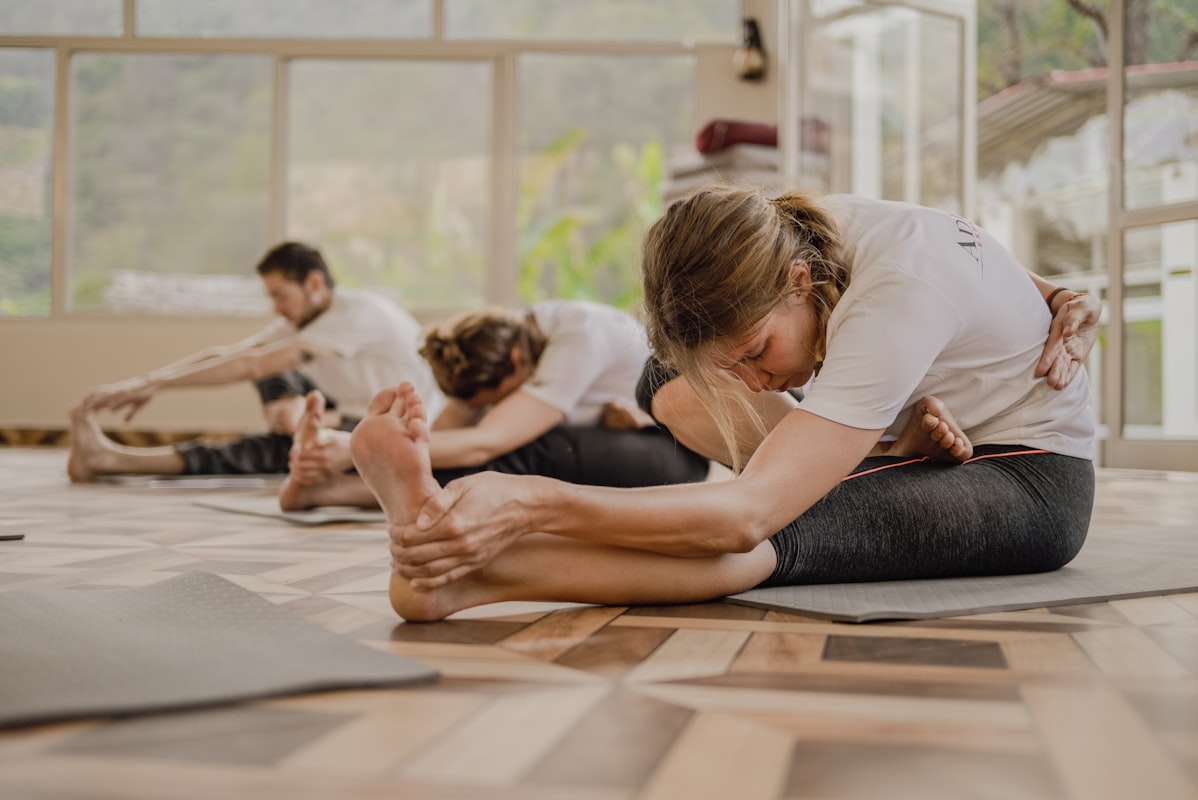
Mountain Pose (Tadasana)
The foundational standing pose that develops awareness, strength, and alignment. Mountain pose improves posture, builds leg strength, and creates a stable base for all other standing poses. Regular practice enhances balance and develops proper weight distribution.
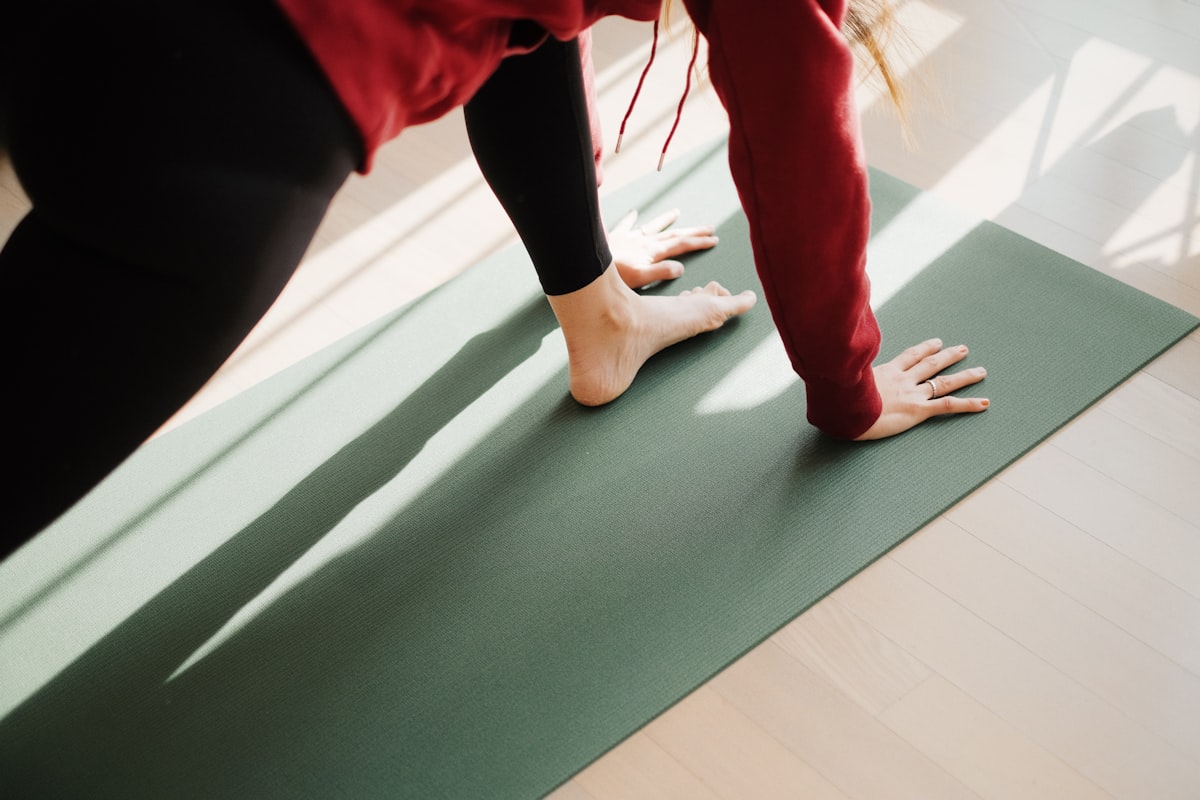
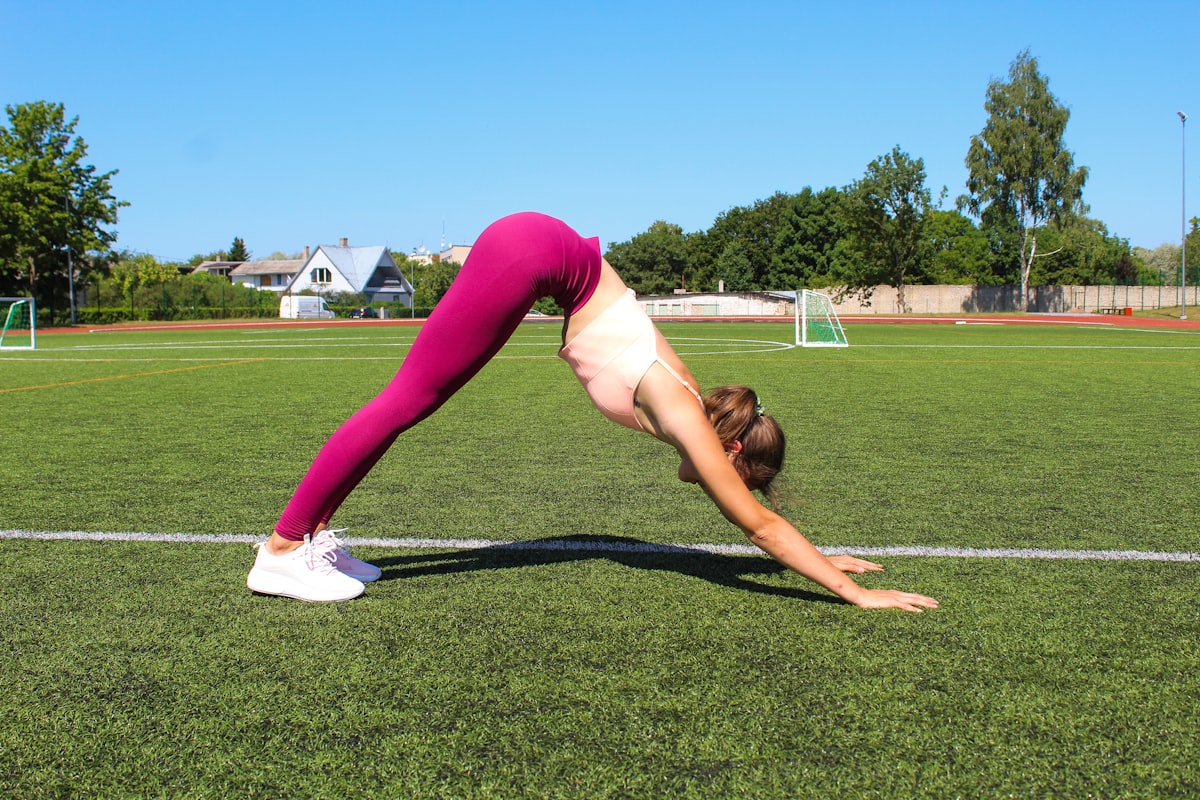
Downward Facing Dog (Adho Mukha Svanasana)
One of the most recognisable yoga poses that stretches the entire posterior chain. This inversion strengthens shoulders and arms while elongating the spine and hamstrings. Downward Dog serves as both a resting pose and powerful strengthening asana in any practice sequence.
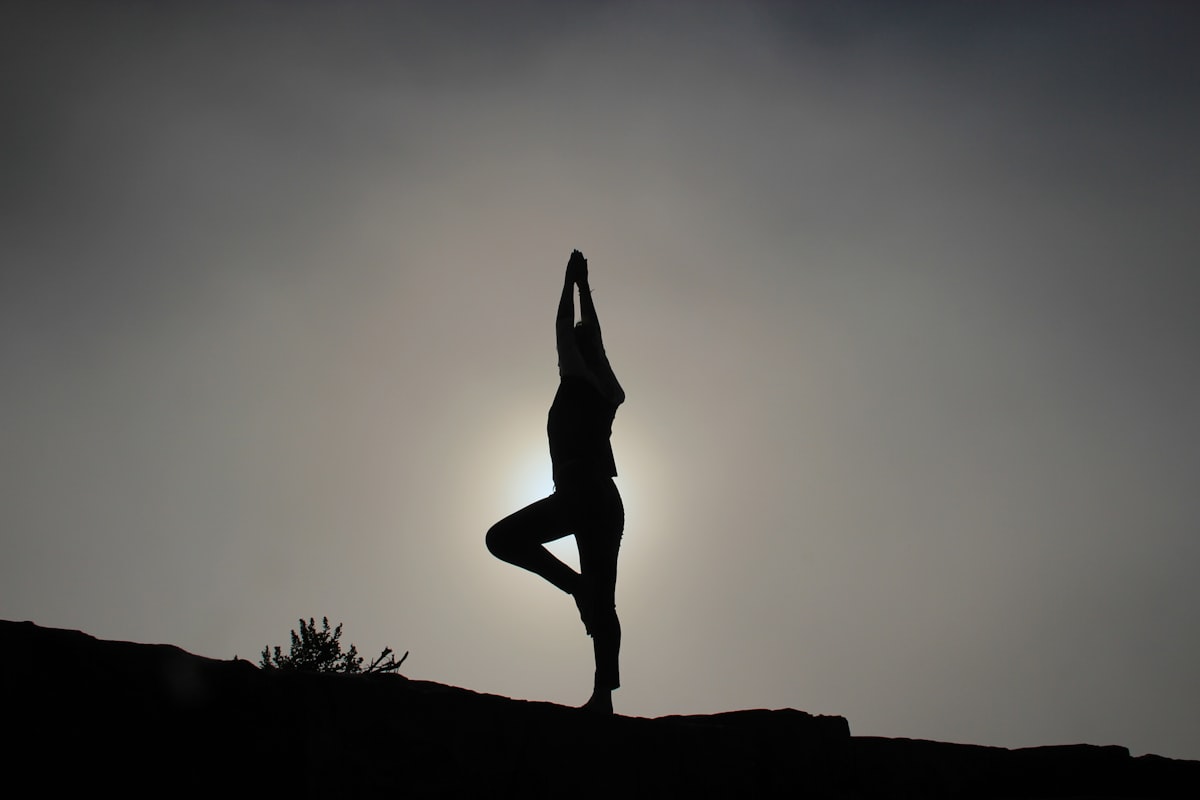
Warrior I (Virabhadrasana I)
A powerful standing pose that builds strength, stability, and mental focus. Warrior I opens the hip flexors, stretches the chest and shoulders, and strengthens the legs and core. This energising pose cultivates confidence and determination in your practice.
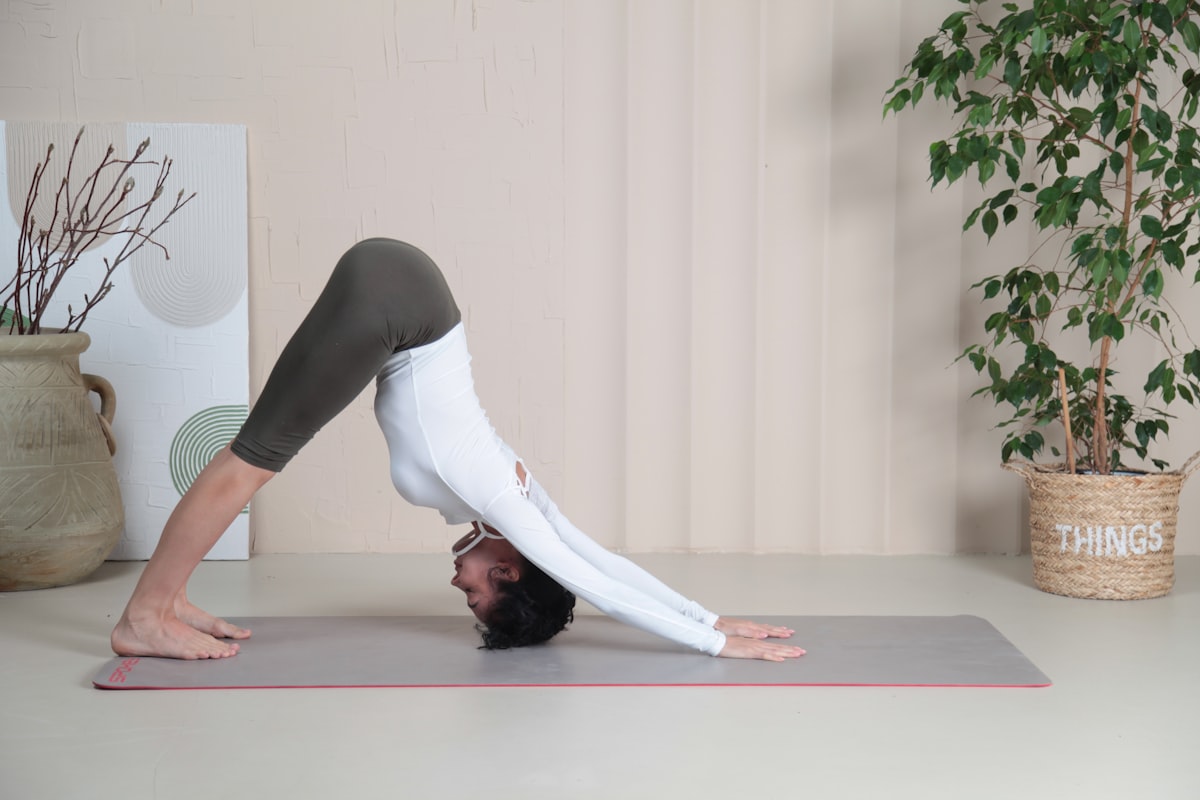
Child's Pose (Balasana)
A gentle resting pose that calms the nervous system and gently stretches the back and hips. Child's Pose provides relief from stress and fatigue while lengthening the spine and improving circulation. This restorative pose can be held for extended periods and serves as a natural transition between more active sequences.
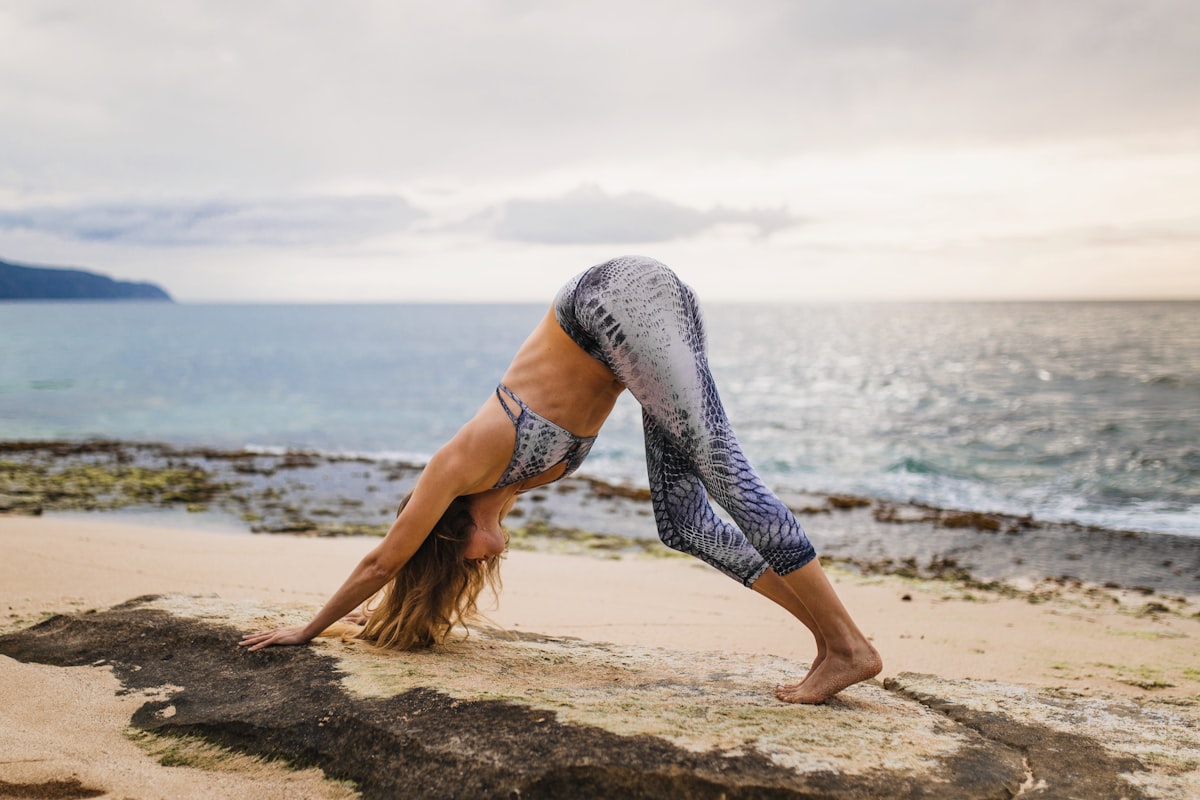
Lotus Pose (Padmasana)
A classic seated position renowned for deep hip opening and meditation benefits. Lotus Pose stretches the hips, knees, and ankles whilst promoting spinal alignment and calm focus. This traditional asana opens the hip flexors significantly and provides stability for prolonged meditation practices.
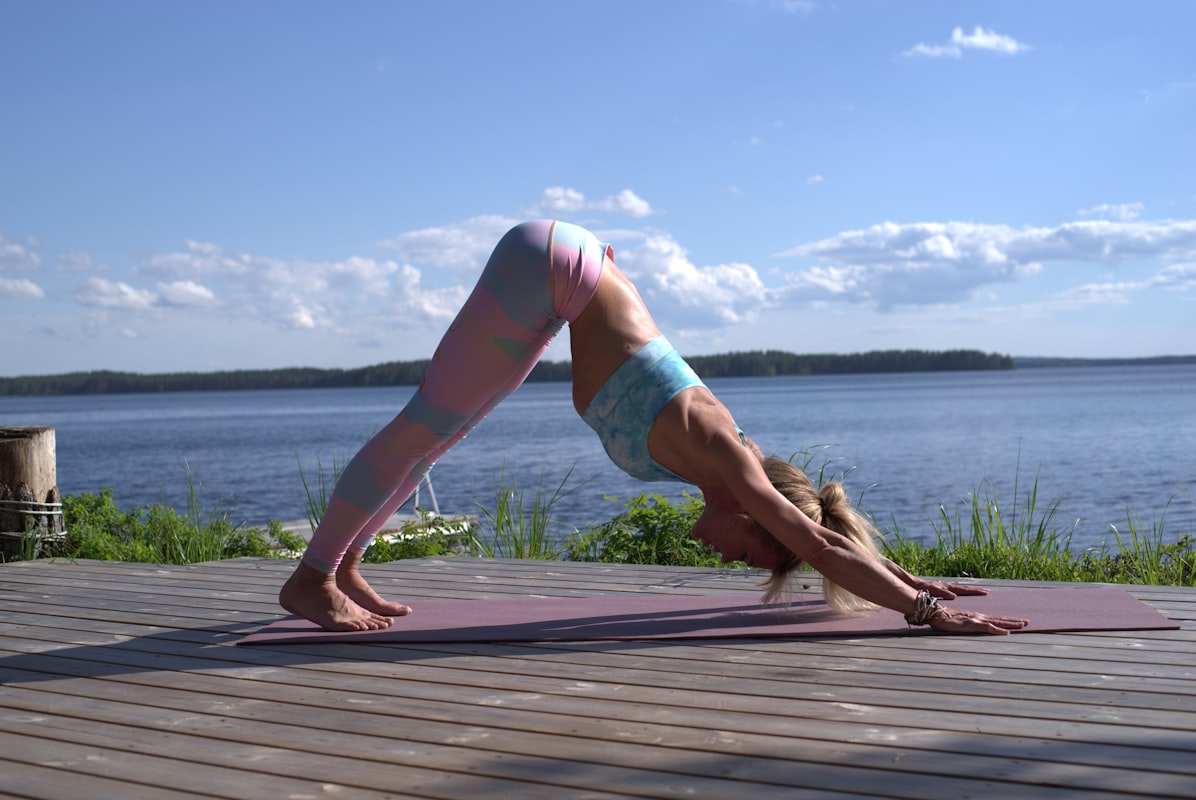
Cobra Pose (Bhujangasana)
A gentle backbend that opens the chest, strengthens the spine and arms, and improves posture. Cobra Pose energises the body whilst stretching the abdominal muscles and front of the shoulders. This pose builds upper body strength and prepares the spine for deeper backbending practices.
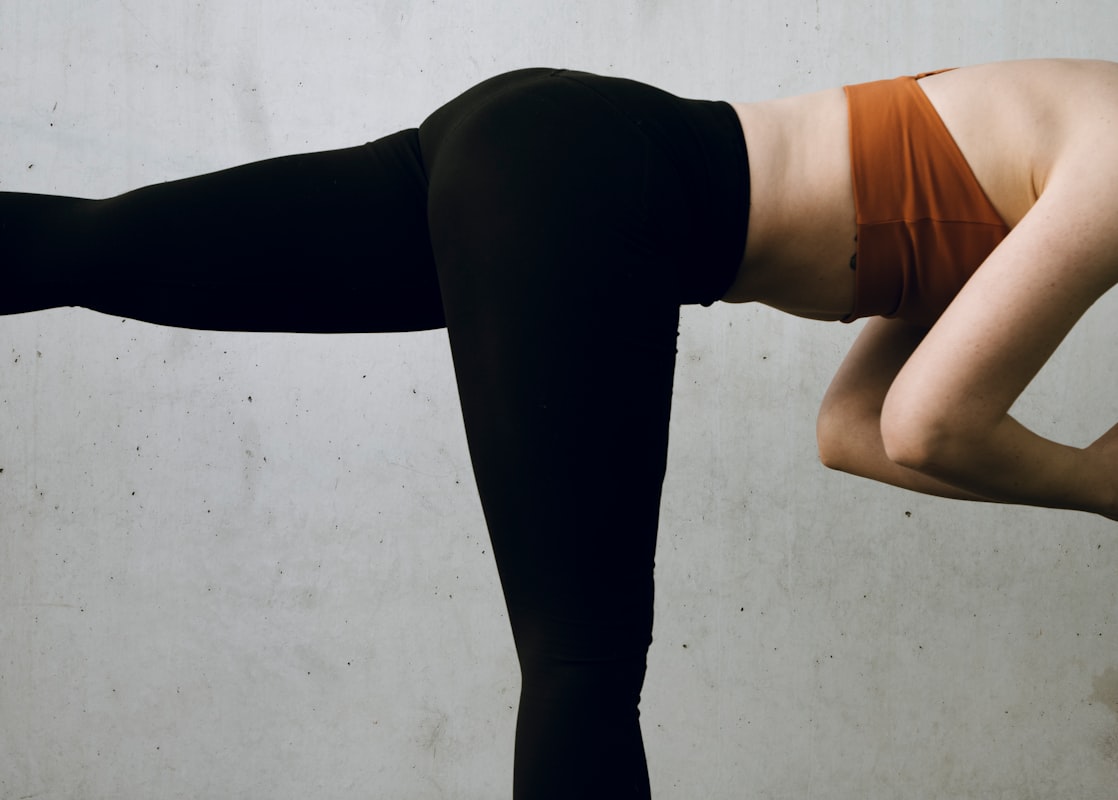
Headstand (Sirsasana)
An advanced inversion pose that strengthens the shoulders, neck, and core whilst reversing the effects of gravity. Headstand improves circulation to the brain and develops significant upper body strength and balance. This powerful pose builds mental clarity and should be approached gradually with proper preparation.
Bridge Pose (Setu Bandhasana)
A powerful backbend that strengthens the glutes, hamstrings, and lower back whilst opening the chest and hip flexors. Bridge Pose builds lower body strength and improves spinal alignment without requiring significant balance. This versatile pose can be modified for all levels and provides excellent support for spine health.
Yoga Poses by Difficulty Level
Beginner
Perfect for those new to yoga practice. Beginner poses focus on alignment, breathing, and building foundational strength. These essential asanas create a solid base for progressing to more challenging variations and help you establish proper form and body awareness.
- Mountain Pose
- Downward Dog
- Child's Pose
- Cobra Pose
Intermediate
Designed for practitioners with established yoga experience. Intermediate poses challenge balance, strength, and flexibility whilst building deeper body awareness. These asanas refine your alignment and prepare your body for advanced inversions and deep backbends.
- Warrior I Pose
- Bridge Pose
- Warrior II Variations
- Half Moon Pose
Advanced
For experienced yogis seeking challenges that demand significant strength, flexibility, and balance. Advanced poses build on years of consistent practice and refined alignment. These asanas expand your physical capabilities and deepen your understanding of body mechanics.
- Lotus Pose
- Headstand
- Scorpion Pose
- Peacock Pose
Why Explore Our Yoga Pose Guide
Detailed Instructions
Each pose includes step-by-step alignment guidance, breathing cues, and common modifications for different experience levels. Our comprehensive descriptions help you understand the proper technique and build awareness of your body position.
Benefits Explained
Discover the physical and mental advantages of each asana, from improved flexibility and strength to enhanced focus and emotional balance. Understanding these benefits motivates consistent practice and helps you choose poses suited to your goals.
Safety Tips & Contraindications
Learn important precautions and modifications to practise safely. We highlight which poses may need adjustment based on injuries or physical limitations, helping you avoid discomfort and build a sustainable practice.
Routine Suggestions
Browse curated sequences and routines that combine multiple poses into effective practice flows. Whether you have five minutes or an hour, our suggested routines help you build balanced practices for flexibility, strength, or relaxation.
Progression Paths
Understand how to advance from simpler poses to more challenging variations. Our guides show you the logical progression of practice, helping you build strength and skills progressively whilst maintaining proper alignment and injury prevention.
Holistic Approach
Yoga is more than physical postures. Explore how breathing, meditation, and mindfulness complement your physical practice. Our content integrates these elements to help you develop a complete yoga lifestyle that benefits body, mind, and spirit.
Frequently Asked Questions About Yoga Poses
For optimal results, aim to practise yoga three to five times per week. Consistency matters more than intensity — regular shorter sessions are more beneficial than occasional lengthy practice. Beginners should start with two to three sessions weekly, allowing rest days for recovery. As your body adapts, you can gradually increase frequency. Even ten to fifteen minutes of daily practice yields significant benefits compared to sporadic intensive sessions.
Yes, you can learn basic yoga poses using quality online resources, instructional videos, and detailed guides like ours. However, working with an experienced instructor at least initially provides invaluable feedback on alignment and form. Even one or two sessions with a qualified teacher helps ensure you're performing poses correctly and safely. As you develop better body awareness and understanding, you can increasingly practise independently. Always listen to your body and modify poses as needed to prevent injury.
Many practitioners notice initial benefits within one to two weeks of regular practice. Increased energy, improved sleep quality, and reduced stress can appear quite quickly. Physical changes like enhanced flexibility and strength develop over four to eight weeks with consistent effort. Mental clarity and emotional balance deepen over months and years of practice. The timeline varies based on your starting point, consistency, and individual physiology. Regular practice compounds benefits over time, leading to increasingly noticeable transformations in how you feel and function.
Distinguish between beneficial stretch sensation and sharp pain. Gentle stretching sensation is normal, but sharp pain signals you should stop immediately and modify or skip the pose. Back off into an easier variation, reduce your depth in the pose, or use props like blocks and blankets. Listen to your body's feedback rather than pushing through discomfort. If pain persists in specific poses, skip them temporarily and consult our safety tips. Practise other poses in the meantime, and gradually return to challenging poses once your body feels ready with proper modifications.
Getting started with yoga requires minimal equipment. At the bare minimum, you only need a yoga mat to provide cushioning and grip. We recommend a non-slip mat at least 68 inches long and 24 inches wide. Additional props like yoga blocks, straps, and bolsters can enhance your practice by providing support and modifications, but they're not essential for beginners. Many props can be substituted with household items—books can serve as blocks, and a belt or towel can work as a strap. As you progress, investing in quality props will deepen your practice and improve alignment.
Consistency matters more than intensity. Beginners should aim for at least 2-3 sessions per week, with each session lasting 30-45 minutes. This frequency allows your body to adapt and build strength gradually while giving you adequate rest days. As you become more experienced, you can increase to 4-5 times per week if desired. Some practitioners benefit from shorter daily practices (15-20 minutes) rather than longer occasional sessions. Listen to your body and adjust based on your schedule and energy levels. Remember, a sustainable practice you'll maintain is far better than an ambitious schedule you'll abandon.
Absolutely. Yoga is a powerful tool for managing anxiety and stress through its combination of physical movement, controlled breathing, and mindfulness. The practice activates your parasympathetic nervous system, which promotes relaxation and reduces cortisol levels. Specific techniques like pranayama (breath work) and meditation calm the mind, while gentle poses release physical tension stored in your body. Regular practice helps you develop awareness of stress patterns and equips you with coping strategies. Many practitioners report improved sleep, reduced anxiety, and greater emotional resilience after incorporating yoga into their routine. For best results, pair your physical practice with consistent meditation and breathing exercises.
Ready to Transform Your Yoga Journey?
Join thousands of practitioners who've discovered balance, strength, and peace through our guided programs and expert guidance.